|
Getting your Trinity Audio player ready…
|
In short, politics is the game; governance is the work. The former decides who plays, but the latter determines what’s actually achieved. When politics dominates, governance suffers—and so do the people it’s meant to serve.
The phrase “politics is not governance” highlights a key distinction between two concepts that are often intertwined but fundamentally different in purpose and practice.
Politics is the process of gaining, maintaining, and exercising power. It’s about competition, persuasion, and strategy—think elections, campaigns, debates, and partisan maneuvering. It thrives on ideology, rhetoric, and the mobilization of support, often prioritizing winning over compromise or practicality. Politics is inherently noisy, divisive, and focused on the short term: the next vote, the next headline, the next advantage.
Governance, on the other hand, is the act of managing and directing a society through systems, policies, and decisions. It’s about administration, problem-solving, and delivering results—think infrastructure, healthcare, education, and public safety. Good governance requires competence, coordination, and a focus on the long term: stability, fairness, and the public good. Unlike politics, it’s less about who’s in charge and more about what gets done once they are.
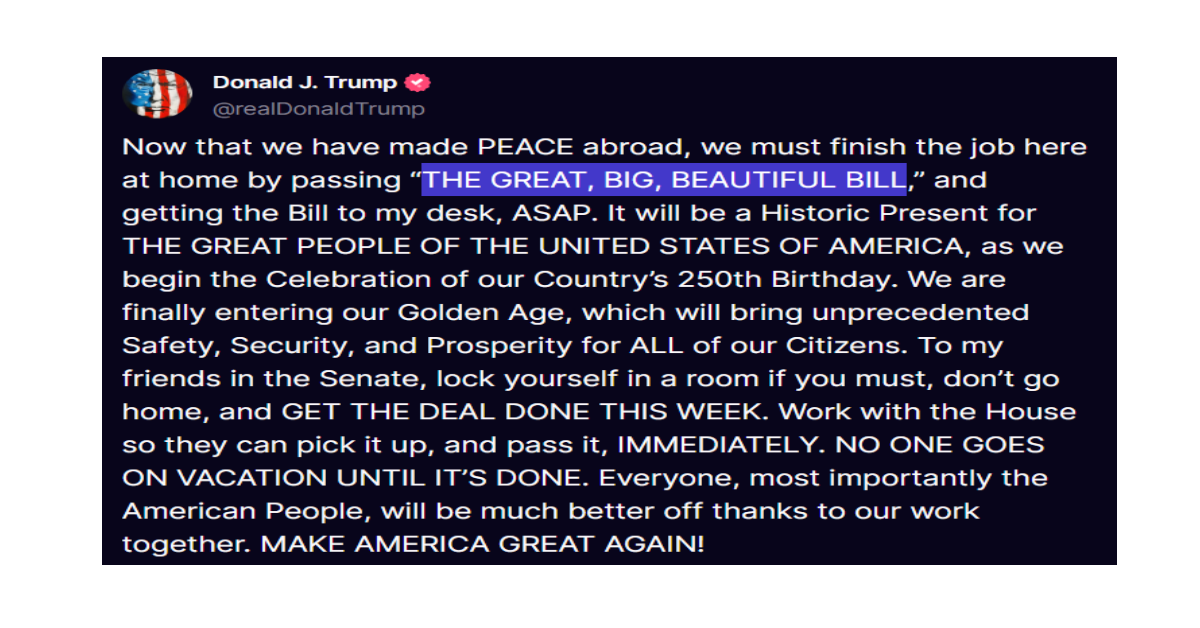
The disconnect arises because politics often overshadows governance. A politician might push a flashy, divisive issue to rally their base (politics) while neglecting the quieter work of, say, fixing potholes or balancing a budget (governance). Similarly, a government can be paralyzed by political gridlock—endless debates over ideology—while failing to address pressing needs like disaster relief or economic reform. The incentives don’t always align: winning an election doesn’t guarantee effective leadership, and governing well doesn’t always win votes.
Historically, this tension has been evident. Leaders like Otto von Bismarck excelled at both—using political cunning to unify Germany while implementing groundbreaking social policies. Contrast that with modern examples where political theater (think viral soundbites or culture wars) drowns out substantive policy discussion. The rise of 24/7 media and social platforms has only amplified this, rewarding attention-grabbing stunts over the slow grind of governing.
In short, politics is the game; governance is the work. The former decides who plays, but the latter determines what’s actually achieved. When politics dominates, governance suffers—and so do the people it’s meant to serve.
How do we cut through the noise and get to the real work of shaping a Governance that reflects a true Constitutional Republic?
Cutting through the noise to shape a governance that reflects a true Constitutional Republic—a system rooted in limited government, individual rights, and the rule of law—requires deliberate steps to refocus on principles over spectacle. Here’s how it could work:
First, recenter on the Constitution itself. Strip away the partisan spin and treat it as the bedrock. It’s not a buffet—its checks and balances, enumerated powers, and protections (like free speech or due process) aren’t optional based on who’s in power. Citizens and leaders alike need to engage with it directly: read it, debate its intent, and measure policies against it. This means less reliance on pundits or viral takes and more on first principles. A republic thrives when people know the rules of the game, not just the players.
Second, decentralize decision-making. The Constitution was built for federalism—states and local governments handling most day-to-day governance while the federal level sticks to its lane (defense, interstate commerce, etc.). Today, too much power’s concentrated in D.C., turning every issue into a national shouting match. Push authority back to states and communities where people can see results, hold officials accountable, and experiment with solutions. Noise dies down when stakes feel tangible, not abstract.
Third, demand competence over charisma. Electing officials in a republic isn’t a popularity contest—it’s hiring for a job. Focus on track records: Can they manage budgets? Pass laws that work? Solve problems without overreach? The noise of politics loves flashy personalities, but governance needs builders. Voters should reward results—say, a governor who cuts red tape or a mayor who fixes roads—over soundbites.
Fourth, rebuild civic participation. A Constitutional Republic isn’t a spectator sport. Town halls, school boards, and local elections are where governance lives, but they’re drowned out by national circus acts. Get involved: ask hard questions, propose ideas, and hold reps accountable face-to-face. The more people engage locally, the less power distant noise has. It’s slower, less sexy, but it’s how a republic self-corrects.
Fifth, starve the noise machine. Media and social platforms thrive on conflict—clicks, not solutions. Tune out the outrage bait and seek primary sources: bills, speeches, and data. If a policy’s at stake, read the text, not the spin. Politicians follow attention; if voters and constituents ignore the drama and demand substance, the incentives shift toward governing.
Finally, enforce accountability. A republic only works if power answers to the people. Use elections, lawsuits, and public pressure to punish overreach or neglect—whether it’s a bureaucrat dodging responsibility or a legislator grandstanding instead of legislating. The Constitution gives tools (like the judiciary or amendment process) to keep governance on track; use them.
#ProsecuteThePoisoners #StopThePoisoning #FoodFreedom #DefundIsreal #RegisterTheDuals #WhoBoughtYou
The real work isn’t glamorous—it’s gritty, incremental, and unglued from the 24-hour news cycle. A true Constitutional Republic emerges when people prioritize the system over the show, competence over chaos, and action over argument. It’s less about silencing the noise and more about building something louder: results.




Tell Us What You Think!